Your patients live on WhatsApp — but most clinics treat it as a personal chat app, not a booking system. Here is the compliant, DPDP-safe way to turn WhatsApp into your highest-converting lane.
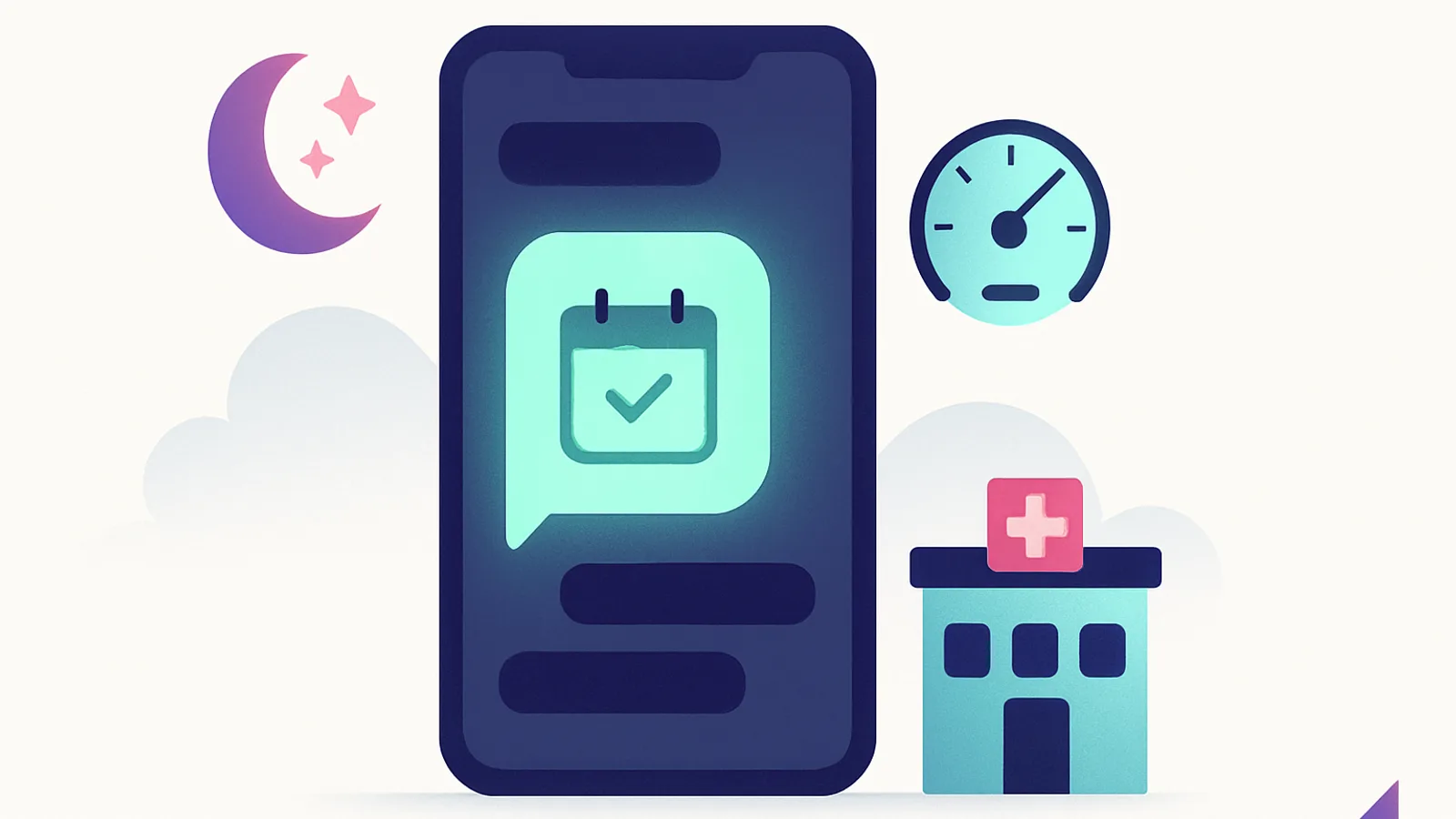
A working patient cannot call you at 11 pm. But at 11 pm is exactly when they decide their tooth, their knee, their child's fever deserves a doctor. If the only way into your clinic is a phone that answers 10 to 6, you are closed at the moment of decision.
WhatsApp is where Indian patients already live — and used properly, it becomes the booking lane that never closes. Used lazily, it is a graveyard of blue ticks that silently books your competitor. The difference is a system.
Why WhatsApp outperforms every other lane
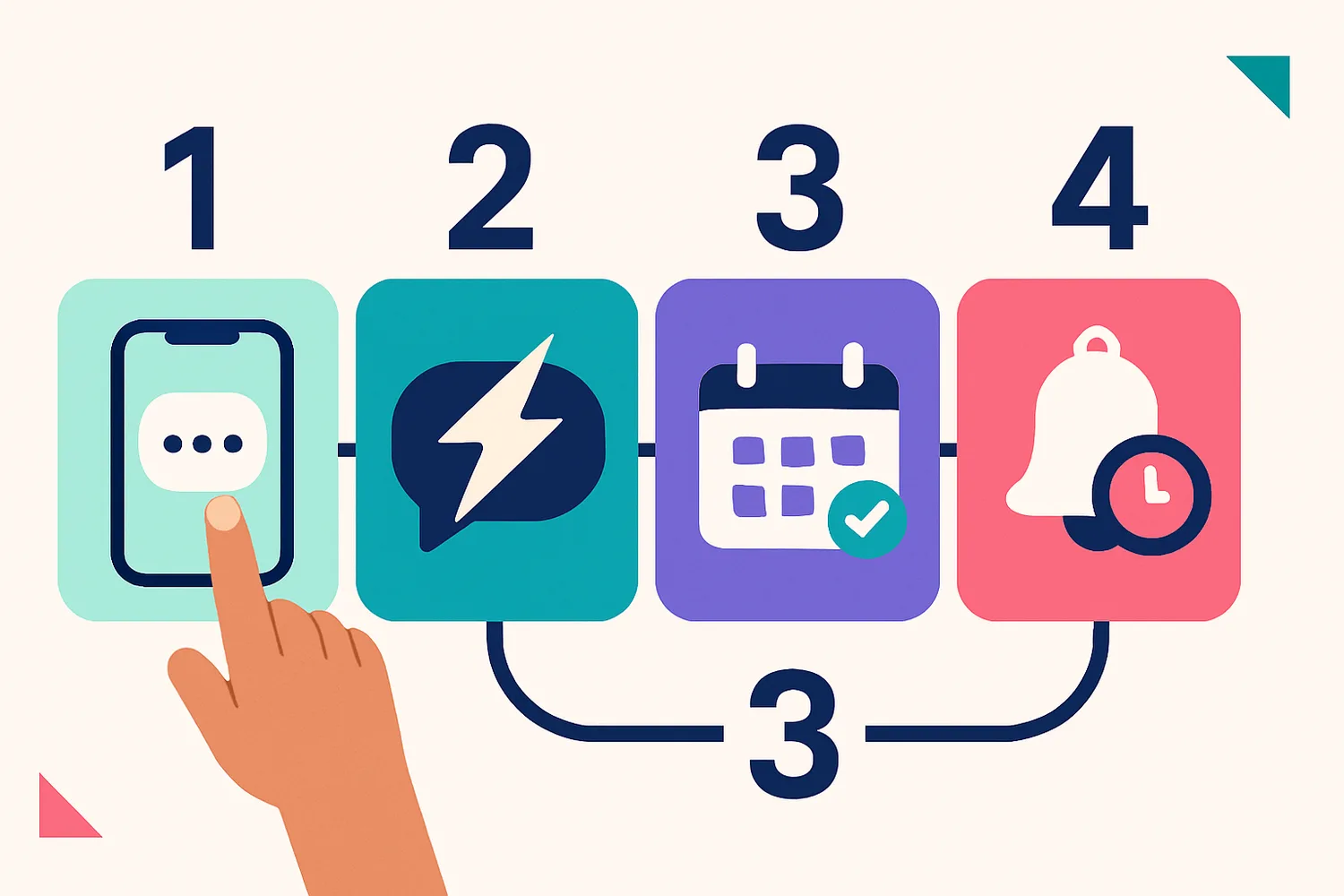
- Zero friction: no app download, no form, no hold music. One tap from your profile, site or ad.
- Asynchronous: patients ask at midnight, you answer at 9 am — and the conversation survives, unlike a missed call.
- A written record: directions, prep instructions, fees — patients scroll back instead of calling to re-ask.
- The follow-up channel: the same thread that booked the visit carries the reminder, the review invitation and the recall.
Step 1: put the door everywhere
A wa.me click-to-chat link with a pre-filled message ("Hi! I'd like to book a consultation") goes on your Google Business Profile, website header, every ad, and your Instagram bio. Track each placement with its own pre-filled text so you know which door patients use. This alone typically doubles inquiry volume — you were not short of demand, you were short of doors.
Step 2: the five-minute rule
Speed-to-lead is the single highest-conversion intervention we know: an inquiry answered in five minutes books at multiples of one answered in two hours. In working hours, a human acknowledges fast — even "Doctor is in OPD, may I book you for 5:30?" wins. After hours, an auto-reply holds the patient: "We're closed now — share your name and concern, and we'll confirm first thing tomorrow."
Assign ownership: unanswered chats get reviewed every morning, the same way missed calls should be. A lane nobody owns is a leak with a green icon.
Step 3: templates that respect the medium
- Booking confirmation: date, time, doctor, address pin, what to bring. One message, everything findable later.
- Reminder: 24 hours before, with an easy reschedule option. No-shows drop by a third.
- Post-visit: care instructions and the next-day review invitation with a one-tap link.
- Recall: "It's been 6 months since your cleaning" — the cheapest appointment you will ever generate.
The compliance lane (read this part twice)
DPDP applies: message only patients who gave consent, honor opt-outs immediately, and never share clinical details in marketing messages. WhatsApp's own rules matter too — bulk unsolicited messages get numbers banned. The safe pattern is simple: patients message first, you respond and serve; broadcasts only to explicit opt-ins, only with useful content. Education, reminders and service — never spam. (The same ethic as all compliant clinic promotion.)
When to graduate to the Business API
The free WhatsApp Business app serves a solo clinic well. Move to the API when volume passes what one phone handles: multi-agent inboxes, automated booking flows, click-to-WhatsApp ads with full tracking, and CRM integration so every conversation lands in your patient record. That is the point where WhatsApp stops being an app and becomes infrastructure — the version we install in our growth system.
How to know the lane is working
- Median response time in working hours — the five-minute rule, measured weekly, not assumed.
- Inquiries per week per door — profile vs website vs ads, from the pre-filled message tags.
- Chat-to-booking rate — of people who messaged, how many got a confirmed slot? Below 40% means answers are slow or unclear.
- Opt-outs and blocks — the early warning that broadcasts crossed from useful into noise.
Roll it out in one month: doors everywhere in week one, response rules and templates in week two, reminders in week three, and the metrics review in week four. From then on it is a habit, not a project — and it feeds every other number in your monthly report.
Want to know how many patients your current lanes are leaking? The free practice audit measures your real speed-to-lead — most owners are surprised by what we find.

Written by Gaurav Malik
Chief Growth Magician · Founder & Growth Strategist
Founder & Growth Strategist at Digital Magicians — India's healthcare-only growth agency.
Reviewed and published by Vikas Dahiya for content.
Meet the full team