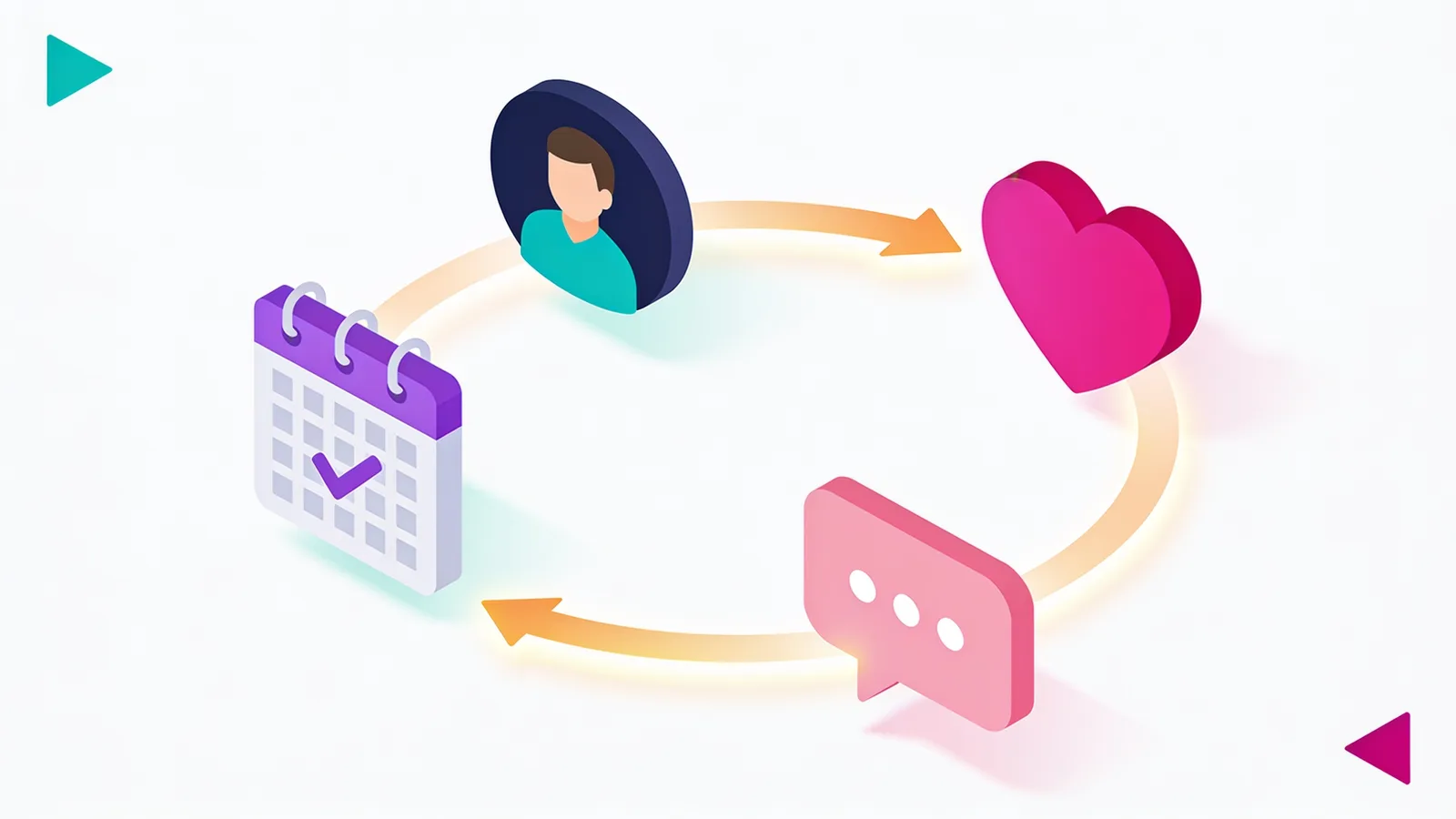
A health library is the only marketing asset that works while you sleep, compounds for years and makes every other channel cheaper. How to build one patients actually read.
What is content marketing for a healthcare practice? Answering patient questions in public, under the doctor's name, before the patient ever calls. That's the entire strategy. A practice that has published a clear answer to "cataract surgery kitne din me theek hota hai" owns a small piece of every patient journey that starts with that worry — this year and for years after. No ad does that. Ads stop the moment you stop paying. A library compounds.
Where do the topics come from? Your OPD, not a keyword tool
The best content calendar is already being dictated to you, daily, in the consultation room. The questions patients ask. The myths they arrive with. The fears they mention at the door. Keep a running list for two weeks and you'll have six months of topics that are guaranteed to have an audience — because the audience literally asked. Keyword tools then do one job: tell you which phrasing people search ("hair transplant side effects" vs "hair transplant problems") so your answer uses their words. That's the method behind every post on this blog, too.
The non-negotiable: clinical review, visible authorship
Health content works only when it's trustworthy, and Google formalized this: medical pages are judged on who wrote them and who checked them. Every piece needs a named author, a named clinical reviewer and a visible date. This isn't bureaucracy — it's the YMYL standard that separates content that ranks from content that doesn't, and it's why a real doctor's library beats a content farm every time, at any budget.
One answer, five formats
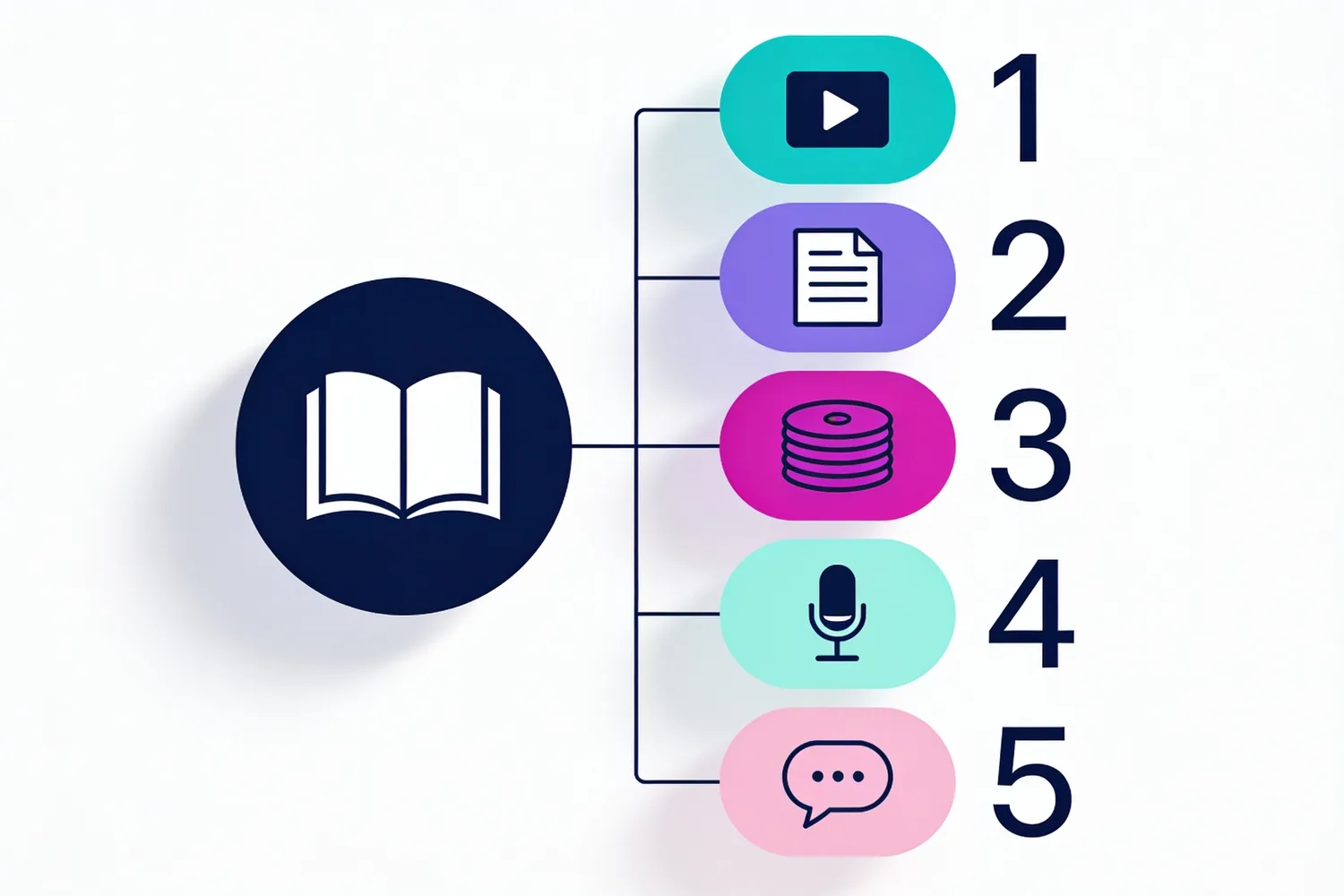
Here's the efficiency trick most practices miss: you don't need more content, you need more formats of the same content. One well-researched answer becomes a blog post, a two-minute reel of the doctor explaining it, a carousel of the key points, a Google profile post, and a WhatsApp broadcast for patients it's relevant to. Research once, produce five times. The library is the hub; social is distribution.
What does a realistic cadence look like?
- One answer a week: written properly, reviewed clinically, published under the doctor's name. Fifty-two assets a year.
- One monthly deep piece: a complete guide to a flagship treatment — the pages that earn links and rank for money keywords.
- One quarterly refresh: update your four most-visited pieces with new questions, costs and dates. Freshness is a ranking factor and a trust factor.
What should the first ten pieces be?
Not a content calendar — a demand map. The first ten pieces, in order of return: the complete cost explainer for your highest-value treatment (the page patients want most and clinics hide longest), the "what to expect" walkthrough for the same treatment, your specialty's three biggest myths answered, the two questions your front desk fields daily, a "when to see a doctor" symptom guide for your most common condition, your recovery-timeline piece, and one honest comparison patients always ask about ("implant vs bridge", "IVF vs IUI"). Ten pieces, maybe six weeks of work — and together they cover the questions behind most of your patient journeys. Everything after builds outward from these.
Write like a person, not a brochure
Readable health content follows rules any doctor can apply: short sentences, the patient's own words ("daag", "safed pani", "ghutne ka dard" — write how they search), one idea per paragraph, and the answer in the first two lines rather than after 400 words of windup. Read it aloud once; anywhere you stumble, a patient stumbles harder. And resist the brochure voice — "state-of-the-art facility with cutting-edge technology" has never ranked for anything or reassured anyone. "We use a scanner instead of putty moulds, so no gagging" has. Specific beats impressive, everywhere in medical content.
The patience math (read before you quit)
Months one to three: little visible traffic. This is where most practices stop — and waste everything invested. Months four to six: early rankings for specific questions, first "I read your article" patients. Month twelve: the library answers inquiries before they're asked, shortens consultations, feeds every other channel and has become the asset competitors can't copy quickly. We've watched this curve on hospital health libraries and single-doctor blogs alike. The shape never changes. Only the quitting point does.
In short: answer real OPD questions weekly, review clinically, publish under a name, repurpose five ways, and hold on through the flat months. Want a content plan built from your actual patient questions? Start with the audit.

Written by Gaurav Malik
Chief Growth Magician · Founder & Growth Strategist
Founder & Growth Strategist at Digital Magicians — India's healthcare-only growth agency.
Reviewed and published by Seema Dahiya for performance.
Meet the full team