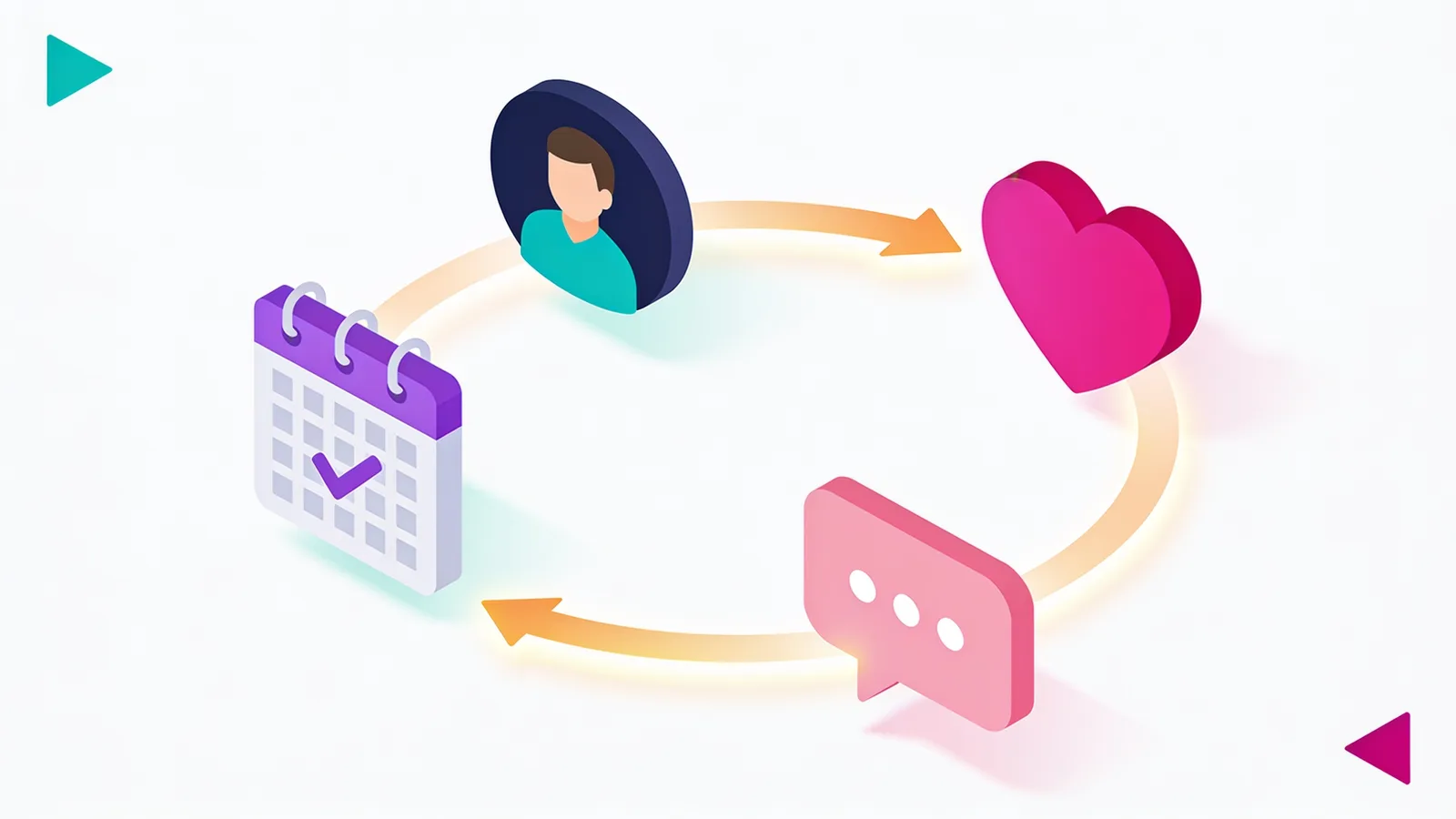
Every practice obsesses over new patients while sitting on a goldmine: the ones who already came. Recalls, reminders and relationships — the quiet system that compounds faster than any campaign.
What's the cheapest patient a practice can acquire? One it already has. Winning a brand-new patient means beating every competitor on Google. Winning back an existing patient means sending one well-timed, genuinely useful message. Yet most clinics spend ninety percent of their marketing energy on strangers and leave their own patient files untouched. That file is a growth channel — probably your best one.
Here's the retention system, stage by stage, and the numbers that make the case.
Why retention beats acquisition on every number
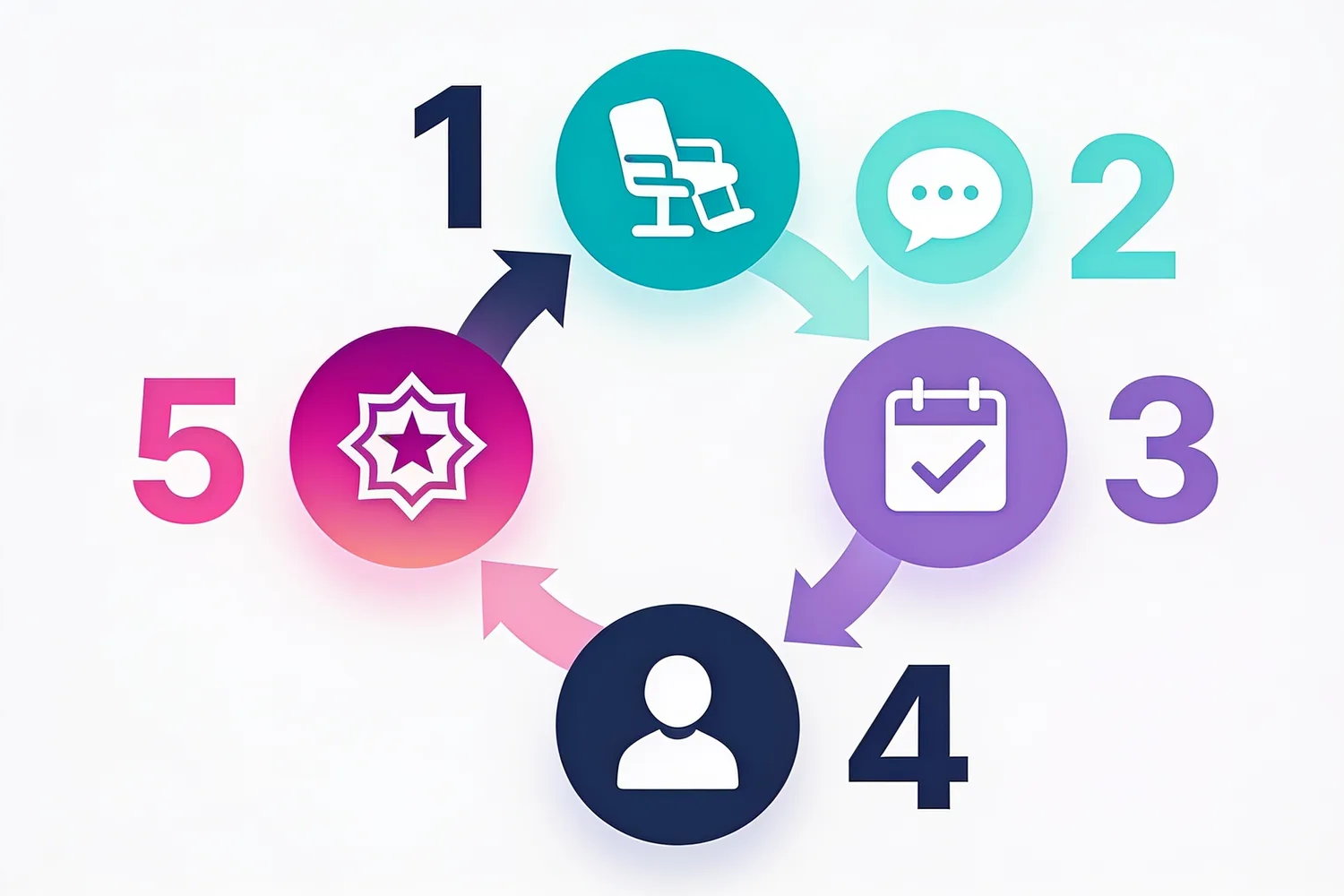
- A returning patient costs a reminder. A new one costs the whole acquisition pipeline — ads, content, response systems.
- Returning patients book higher-value care. Trust built on visit one unlocks the treatment plan discussed on visit three.
- They refer. A patient who returns twice has decided you're "their doctor" — and tells their family so.
- They review. Your happiest reviewers are almost always repeat patients, which feeds the local rankings that bring the strangers too.
The recall system: medicine already gives you the reasons
Healthcare has a retention advantage no other business gets: clinically legitimate reasons to reconnect. Dental cleanings every six months. Annual eye tests for diabetics. Skin follow-ups after a treatment course. Vaccination schedules. Chronic-care reviews. A recall isn't marketing dressed up as medicine — it's medicine that happens to grow the practice. Build the list from your records: who is due for what, and when. Then message them, personally and plainly: "It's been six months since your last cleaning — shall we book you in this week?"
The cadence that doesn't annoy
Retention dies from two failure modes: silence and spam. The middle path is a simple calendar. Within 24 hours of a visit: a thank-you and any care instructions. At the clinically right interval: the recall. Quarterly at most: one genuinely useful seasonal note — monsoon skin care, exam-season sleep advice — the kind of message WhatsApp was made for. That's it. Every message useful, every message with an easy opt-out, all of it on proper consent.
Reactivation: the campaign nobody runs
Pull the list of patients you haven't seen in 12–18 months. For most practices it's hundreds of names. A respectful reactivation message — "We noticed it's been a while; if you're due a check-up, here are this week's slots" — typically brings back 5–10% of them. Run the math on your consultation value and it's usually the highest-return campaign of the year, and it costs nothing but an afternoon.
Segment the file before you message it
A patient file messaged as one undifferentiated list becomes spam by volume alone. Twenty minutes of sorting changes everything. The useful segments for most practices: patients due for a clinical recall (message them individually, by name, about their specific due care); chronic-condition patients (they value seasonal, condition-relevant guidance most); one-visit patients from the last six months (one gentle "how are things?" check-in recovers many); and the 12-month-plus sleeping file (the reactivation campaign audience). Each segment gets its own message, its own cadence, its own tone. The same WhatsApp that feels like care to a diabetic getting monsoon foot-care advice feels like noise to a one-time visitor getting it — segmentation is the difference.
Your front desk is the retention team
No software saves a retention system that the front desk doesn't own. The habits that matter: book the next visit before the patient leaves ("shall we put your six-month check in the diary now?") — this one habit doubles recall rates by itself. Record why a patient came and what they'll need next, in the file, every visit. Flag the patients who didn't rebook so the recall list builds itself. And when a reminder gets a reply, answer within the hour — a recall that goes unanswered teaches the patient the clinic didn't really mean it. Train it once a quarter, celebrate the numbers monthly, and the loop runs itself.
How to measure retention honestly
Three numbers, reviewed monthly: repeat-visit rate (what share of this month's patients have visited before), recall conversion (of patients due for recall, how many booked), and reactivation yield per campaign. Most practices discover their repeat rate is far lower than they assumed — not because patients were unhappy, but because nobody ever asked them back. The gap between "satisfied" and "returned" is where this whole channel lives, and it's the first thing we look at in a practice audit.
In short: recall what's due, remind without spamming, reactivate the sleeping file, and measure the loop. It's the least glamorous system in the growth playbook — and rupee for rupee, the most profitable.

Written by Gaurav Malik
Chief Growth Magician · Founder & Growth Strategist
Founder & Growth Strategist at Digital Magicians — India's healthcare-only growth agency.
Reviewed and published by Vikas Dahiya for content.
Meet the full team